
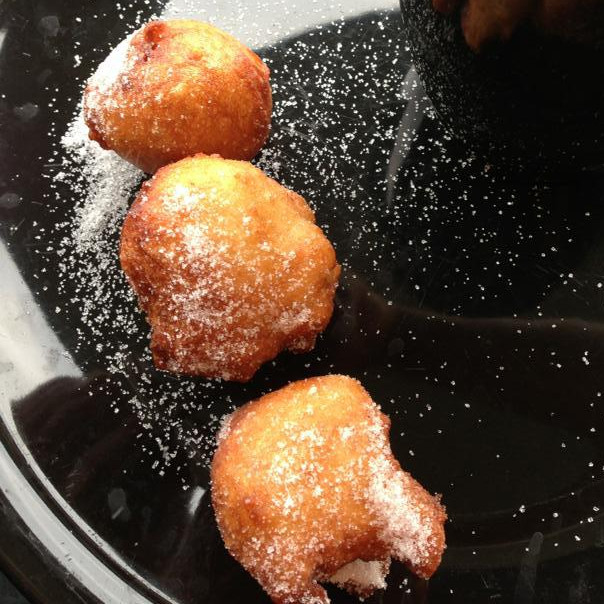
Small Chops
Puff Puff
100 min Femi's Small Chops
Photo by Afrolems ; cropped by Off-shell · CC BY-SA 4.0
Image details
Resized and cropped for display. Image remains under its original license.
Loading your kitchen…
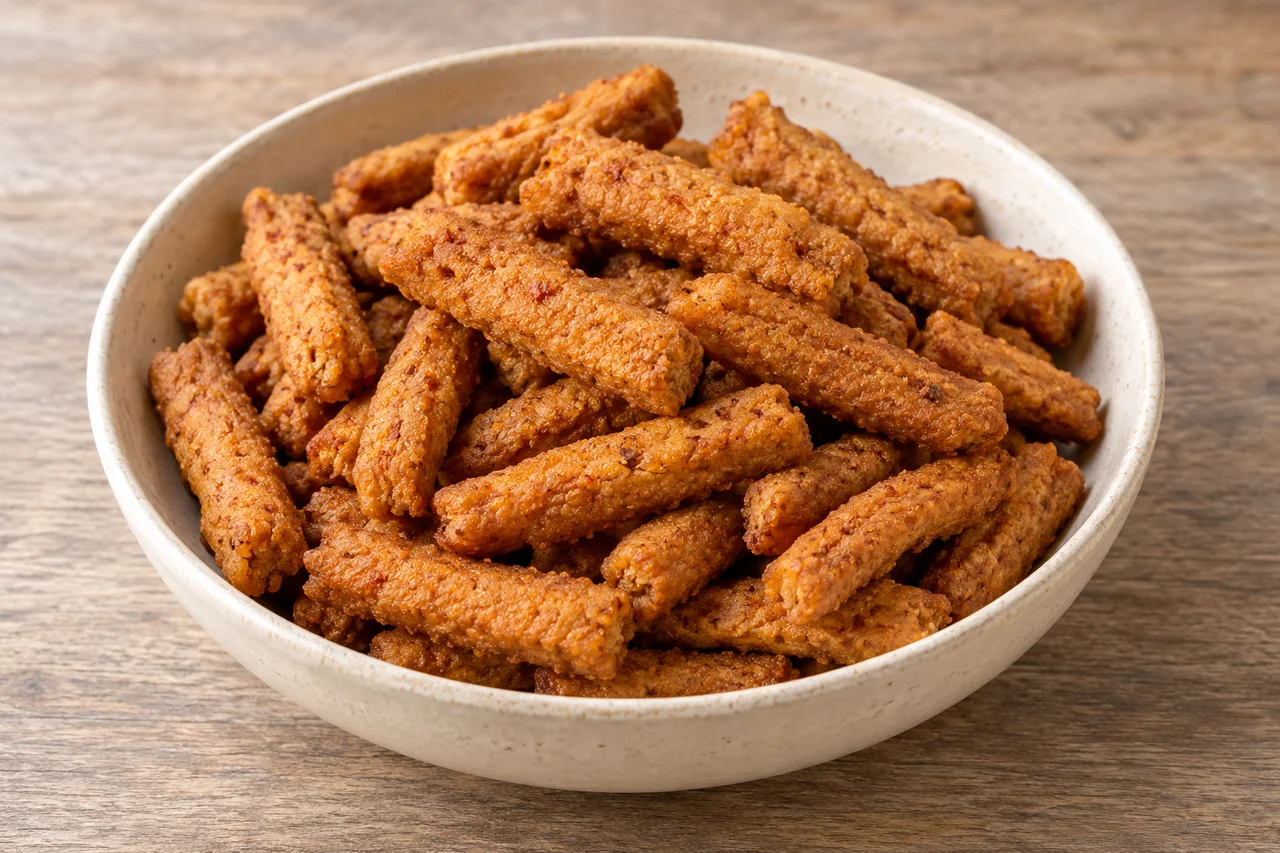
Homemade soybean curd, pressed firm, seasoned and fried into golden pieces. Nigerian cooks document soybean curd both in the north and the southwest. Omolabake of Ounje Aladun recalls buying fried beske around Bodija in Ibadan, and The Pretend Chef describes its northern and western use. Those accounts show a food embedded in more than one community. Frying gives these pieces their familiar savoury snack form. Cultural context: Awara is associated with northern Nigerian foodways, while Yoruba cooks document beske or wara soya. Names overlap locally; this is soybean curd, distinct from milk-based wara.
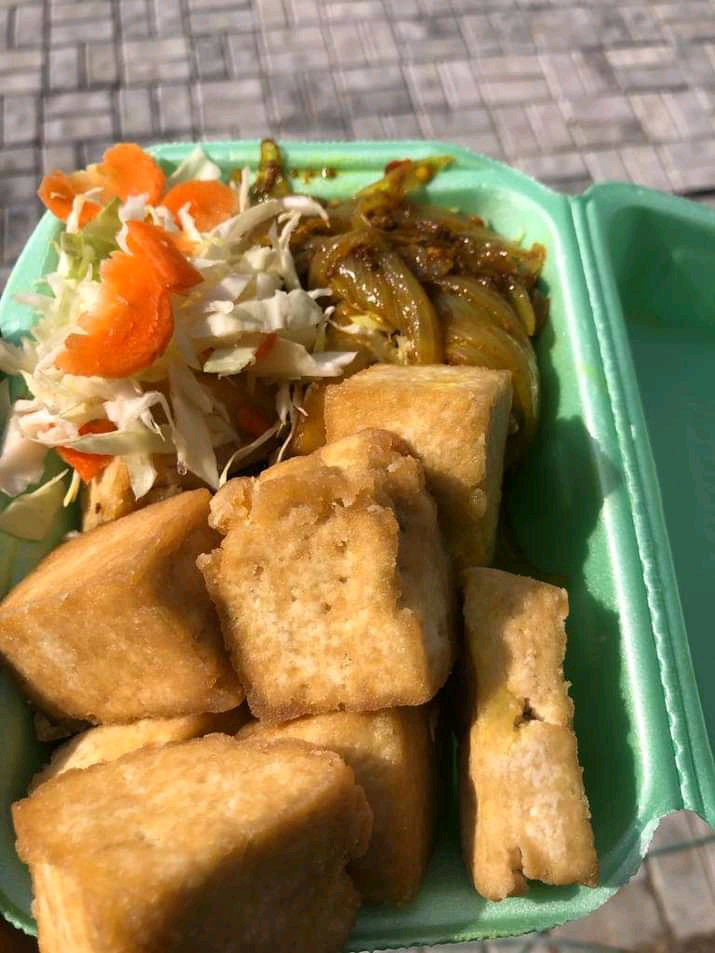
Awara_(Soybeans_Cake).jpg by YusufuAM, via Wikimedia Commons, CC BY-SA 4.0 · CC BY-SA 4.0
None by this package; original downloaded file bytes preserved. Source-file adaptations, if any, are credited separately.
Full source and image recordAllow 540 additional minutes for resting / soaking. Total: 615 minutes.
Sort and rinse the soybeans. Cover with the soaking water and refrigerate for 8 hours. Drain and rinse; rub off loose skins if desired.
Blend the beans in batches with the 2 litres of extraction water. Strain through clean muslin into a large pot, squeezing firmly. Reserve only the milk for this recipe.
Bring the raw soy milk to a full boil, stirring and watching closely for foam. Reduce to an active gentle boil and cook for 20 minutes, scraping the base so it does not scorch.
Remove from the heat and let the milk fall to about 80°C. Dilute 60 ml lemon juice with the 100 ml water; gently distribute it through the milk. Cover and leave undisturbed for 10–15 minutes. If the liquid remains milky, add the extra lemon juice in 10 ml portions and wait again.
When curds have separated from the clearer whey, ladle them into a muslin-lined sieve. Fold in salt and chilli, cover with the cloth and press under a clean moderate weight for about 45 minutes, until sliceable.
Cut into roughly 3 cm pieces and pat the surfaces dry. Heat a 2–3 cm depth of oil to about 175°C in a stable pan, keeping it below half full. Fry in batches for 5–7 minutes, turning, until golden and hot through. Drain and serve.
Use culinary lemon juice, not industrial coagulants. The curd yield and acid needed vary with the beans and extraction. Refrigerate leftovers promptly and use within 2 days. This recipe does not substitute soybean curd for dairy wara without explaining the difference. Timing: active preparation 35 min; cooking 40 min; additional passive time 540 min; conservative planning allowance 615 min. Some stages may overlap. For Recipe.ng display, prep_minutes includes the additional passive time; it is not all hands-on work. Recipe status: Research draft; not kitchen-tested. Allergens and checks: Soy.
Research draft; not kitchen-tested
Also known as: Beske, Wara soya
Awara is associated with northern Nigerian foodways, while Yoruba cooks document beske or wara soya. Names overlap locally; this is soybean curd, distinct from milk-based wara.
Allergens: Soy.
Femi's Small ChopsPhoto by Afrolems ; cropped by Off-shell · CC BY-SA 4.0
Resized and cropped for display. Image remains under its original license.
 Bisi's Drinks
 Emeka's Home Kitchen
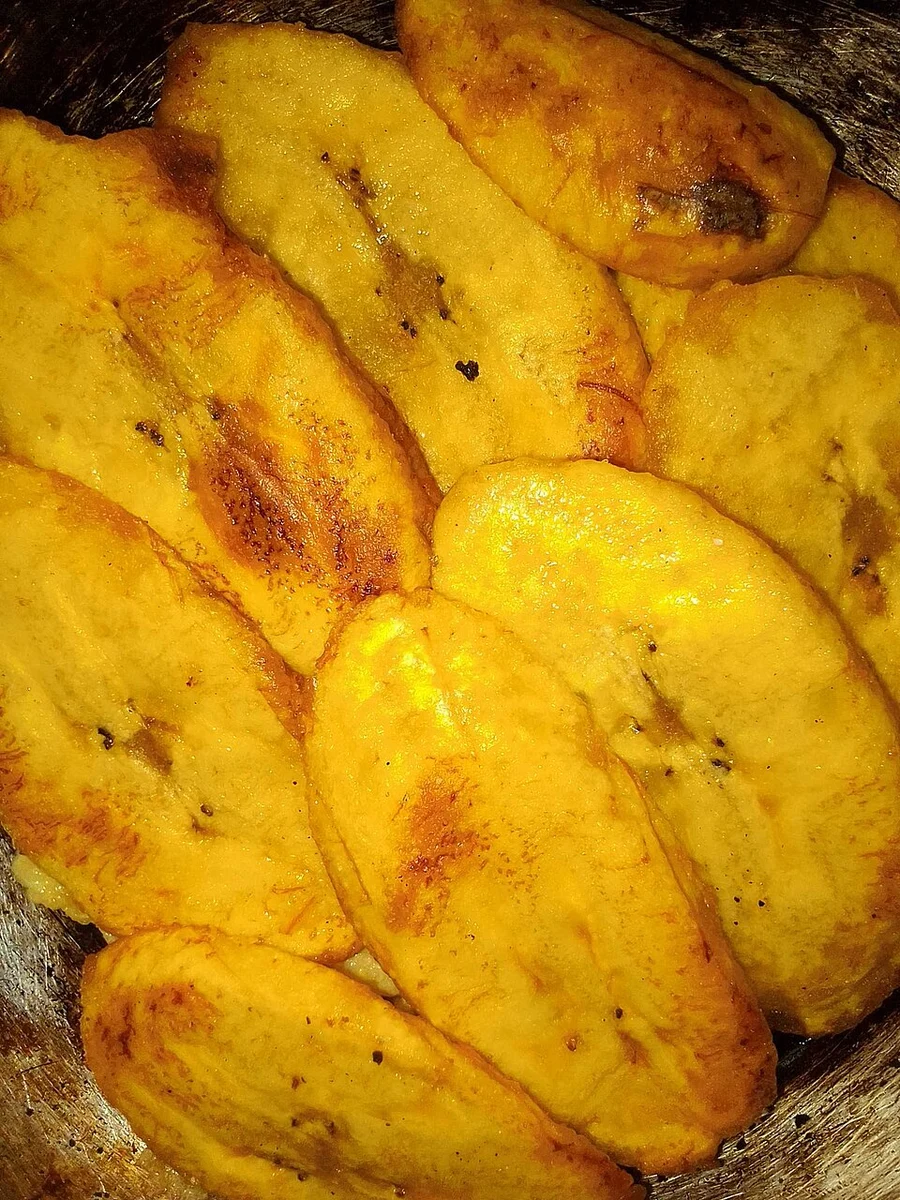
Resized proportionally to 900x1200 pixels; converted to WebP at quality 87; no cropping or content edits.
 Wale's Supper Club
 Awele’s Table
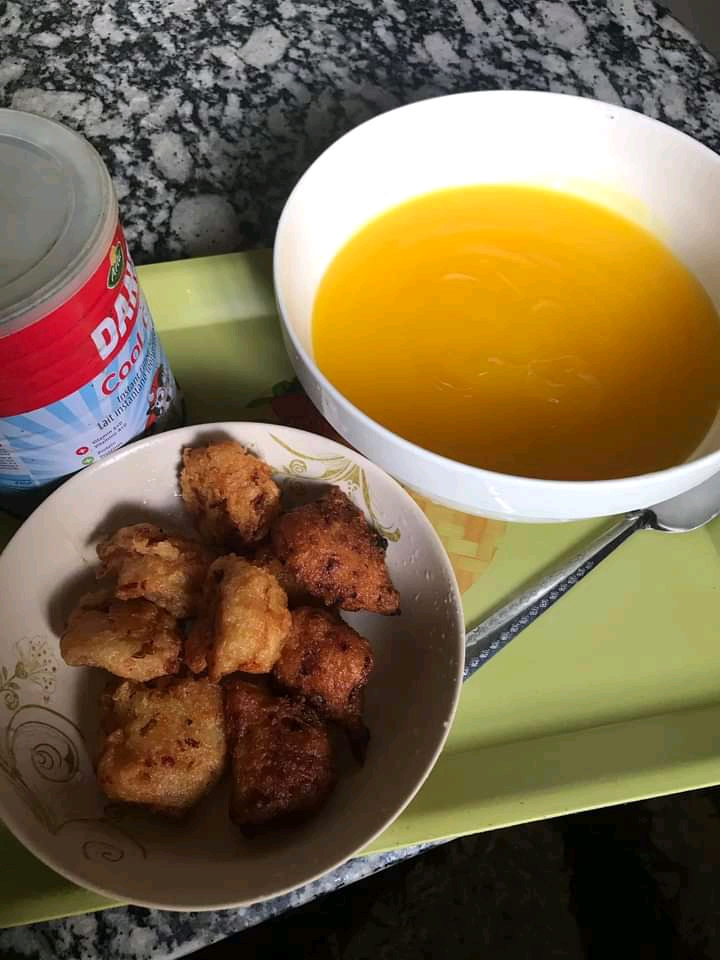
Ọ̀jọ̀jọ̀_(Yam_Fritters).jpg by Aderiqueza, via Wikimedia Commons, CC BY-SA 4.0 · CC BY-SA 4.0
None by this package; original downloaded file bytes preserved. Source-file adaptations, if any, are credited separately.
Full source and image record
 Ijeoma’s Home Kitchen
Around the table 0
Be the first to start the conversation.